Energy Independence – Never Fear Utility Hikes Again
Solar isn’t just about today’s savings – it’s about building long-term security. It’s an investment that pays off in lower bills, higher home value, and the freedom of energy independence. For millions of homeowners, it’s one of the best decisions they’ve ever made for their finances and their future. Below is a comprehensive guide to the risks of traditional energy dependence, the long-term benefits of solar power, and a simple self-assessment to determine if solar is right for you.
⚠️ Risks of Traditional Energy Dependence & Hidden HarmsReliance on grid electricity leaves homeowners vulnerable to rising costs, instability, and limited control over their energy supply. Understanding these risks can help you make informed decisions to protect your finances and lifestyle:
Key Pain Points of Grid Energy DependenceSkyrocketing utility bills: U.S. electricity costs have risen 15% in the past 5 years, with annual hikes of 3–5% projected for the next decade. Fixed incomes and budgets are strained by unpredictable price increases.
Energy insecurity: Grid outages due to extreme weather (hurricanes, wildfires, winter storms), equipment failures, or cyberattacks leave homes without power – disrupting daily life, damaging appliances, and endangering vulnerable family members.
Lack of control: Homeowners have no say in the source of their energy (often fossil fuels) or the pricing structure, leading to feeling powerless against utility company decisions.
Hidden Costs of Delaying Solar AdoptionCumulative financial loss: Waiting 5 years to install solar could cost the average homeowner $5,000–$10,000 in unnecessary utility payments (based on $100–$200 monthly bills).
Missed incentive opportunities: Federal and local solar rebates (like the 30% Federal Solar Tax Credit) are time-limited and may shrink or expire, increasing upfront costs over time.
Reduced home competitiveness: As solar becomes a standard home feature, non-solar properties may take longer to sell and fetch lower prices compared to energy-efficient counterparts.
❌ High-Risk Behaviors That Keep You Trapped in Energy DependenceContinuing to rely solely on grid electricity without exploring alternatives perpetuates vulnerability. These common behaviors extend your dependence and limit financial freedom:
Ignoring long-term cost trends: Dismissing utility hikes as “temporary” or failing to budget for future increases leaves you unprepared for rising expenses.
Procrastinating on solar research: Delaying exploration of solar options due to perceived complexity or upfront costs means missing out on years of savings and compounded benefits.
Overlooking energy efficiency gaps: Neglecting simple upgrades (e.g., LED bulbs, insulated windows) that reduce overall energy use – making solar installation even more cost-effective.
Dismissing renewable energy incentives: Failing to leverage tax credits, net metering, or local rebates that significantly lower solar installation costs and shorten payback periods.
Relying on short-term fixes: Opting for “budget” utility plans or payment plans that mask long-term price increases instead of addressing the root cause of high energy costs.
✅ Solar Solutions for Energy Independence & Long-Term SecuritySolar power offers a proactive path to breaking free from grid dependence, with benefits that grow over time. Combine these strategies to maximize savings, control, and peace of mind:
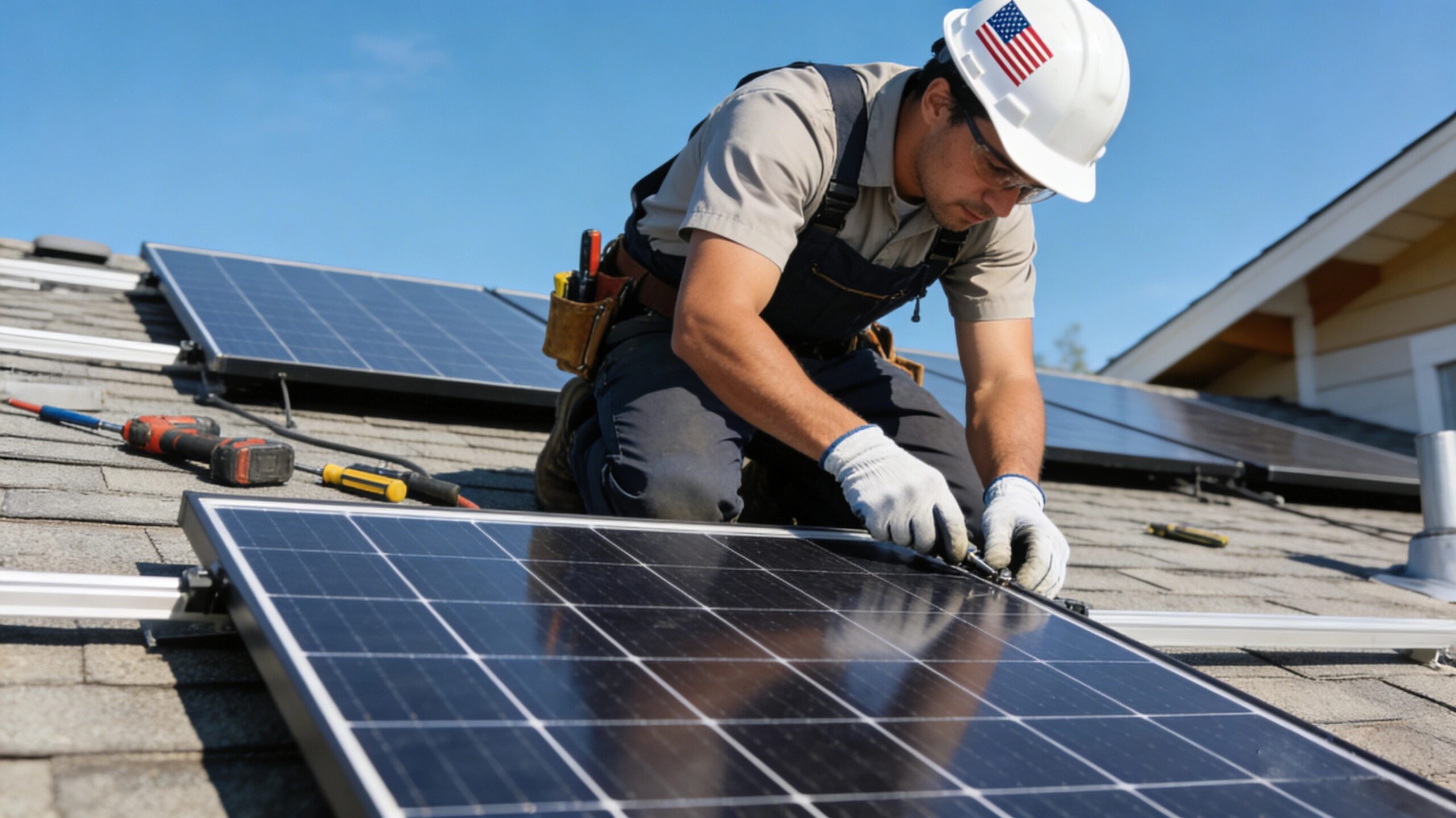
Core Solar Adoption StrategiesInvest in a custom solar panel system: Work with certified installers to design a system tailored to your home’s energy needs, roof size, and local climate. Modern solar panels are durable (25-year warranties), weather-resistant, and require minimal maintenance.
Leverage federal and local incentives: Take advantage of the 30% Federal Solar Tax Credit (available through 2025) to reduce upfront costs. Research state-specific rebates, property tax exemptions, and net metering programs (which let you sell excess energy back to the grid for credits).
Pair solar with battery storage (optional): Install a solar battery to store excess energy for use during outages or peak demand hours, ensuring 24/7 energy security and reducing reliance on the grid even further.
Long-Term Benefits of Solar EnergyFinancial stability: Lock in predictable energy costs for 25+ years, shielding yourself from utility hikes and inflation. The average U.S. homeowner saves $20,000–$30,000 over the lifetime of their solar system.
Increased home value: Zillow reports that solar-equipped homes sell 20% faster and for 4% more than non-solar homes – adding $20,000+ to the value of a median-priced property.
Energy independence: Generate your own clean energy, reducing or eliminating monthly utility bills. During grid outages, solar + battery systems keep essential appliances (fridges, medical equipment, lights) running.
Environmental impact: Reduce your carbon footprint by replacing fossil fuel-generated electricity with clean, renewable energy. A typical solar system offsets 10+ tons of CO2 per year – equivalent to planting 250 trees annually.
Low-risk investment: Solar panels have no moving parts, low maintenance costs, and strong manufacturer warranties. Unlike stocks or real estate, they provide consistent, passive savings with minimal risk.
📝 Solar Suitability Self-Assessment: Is Solar Right for You?Note: This self-assessment is for preliminary guidance only and cannot replace a professional solar consultation. It helps you evaluate your readiness for solar adoption based on your energy needs, finances, and lifestyle.
Review Your Current Energy SituationDo you pay $100+ per month in electricity bills, with consistent increases year over year?
Have you experienced grid outages in the past 2 years that disrupted your daily life or caused inconvenience?
Do you plan to stay in your home for 5+ years (long enough to recoup solar installation costs and enjoy savings)?
Are you in a high-risk group for energy insecurity (e.g., elderly, family with young children, someone with medical equipment that requires constant power)?
Evaluate Your Solar ReadinessDoes your roof have unobstructed sunlight (little to no shade from trees, buildings) for 6+ hours per day?
Is your roof less than 15 years old (or recently replaced), with no major repairs needed?
Are you willing to invest in a long-term solution that reduces monthly expenses and increases home value?
Do you qualify for federal/state solar incentives (e.g., tax liability for the Federal Solar Tax Credit, eligibility for local rebates)?
Determine Your Solar Fit LevelHigh fit: If you answered “yes” to most energy situation and readiness questions. Solar will likely deliver significant savings, energy security, and long-term value. Schedule a free solar consultation to get a custom quote.
Moderate fit: If you have high energy bills or outage concerns but minor barriers (e.g., partial shade, older roof). A solar installer can assess solutions (e.g., shade-resistant panels, roof repairs) to make solar viable.
Low fit: If you plan to move soon, have very low energy usage, or live in an area with minimal sunlight/incentives. Focus on energy efficiency upgrades first, then revisit solar if your situation changes.
Key Reminder for Solar AssessmentA professional solar consultation is essential to confirm system size, cost, savings projections, and incentive eligibility. Most installers offer free, no-obligation assessments that include roof inspections, energy use analysis, and customized proposals. Even if you’re unsure about upfront costs, financing options (e.g., $0 down loans, leases) can make solar accessible with monthly payments lower than your current utility bill.
Energy independence isn’t just a luxury – it’s a smart, sustainable choice for protecting your finances and lifestyle. By breaking free from grid dependence with solar power, you gain control over your energy costs, enhance your home’s value, and contribute to a cleaner planet. The decision to go solar isn’t just about today – it’s about building a more secure, predictable future for yourself and your family. Take the first step toward energy freedom today – your wallet and peace of mind will thank you.