
Essential Dietary Options for Effective Hepatitis Management
Hepatitis—inflammation of the liver—affects over 4.4 million adults in the United States, with types A, B, and C being the most common, according to the Centers for Disease Control and Prevention (CDC). While medical treatment (like antiviral medications for hepatitis B or C) is critical for managing the condition, diet plays a powerful role in supporting liver function, reducing inflammation, and preventing further liver damage. For U.S. adults living with hepatitis, making intentional dietary choices can ease symptoms, boost energy, and improve long-term liver health. The key is to focus on nutrient-dense foods that lighten the liver’s workload while avoiding ingredients that strain it.
The Core Dietary Principles for Hepatitis Management
Before diving into specific foods, it’s important to understand the foundational goals of a hepatitis-friendly diet:
-
Support liver repair: The liver processes nutrients and filters toxins, so foods rich in antioxidants and essential nutrients help it heal.
-
Reduce inflammation: Chronic inflammation worsens liver damage, so anti-inflammatory foods are key.
-
Maintain a healthy weight: Obesity increases the risk of non-alcoholic fatty liver disease (NAFLD), which can complicate hepatitis. A balanced diet helps avoid excess weight gain or loss.
-
Avoid liver irritants: Alcohol, processed sugars, and certain fats can further inflame or damage the liver, so these should be limited or eliminated.
These principles apply to most types of hepatitis, though slight adjustments may be needed for those with advanced liver disease (like cirrhosis) or coexisting conditions (like diabetes).
Recommended Dietary Options for Hepatitis Management
1. Lean Protein: Support Liver Repair Without Strain
Protein is essential for repairing liver tissue, but choosing the right type is critical—high-fat proteins can add stress to the liver. Opt for lean, low-fat sources like:
-
Poultry: Skinless chicken breast, turkey breast, or ground turkey (93% lean or higher).
-
Fish: Fatty fish (salmon, mackerel, sardines) are rich in omega-3 fatty acids, which reduce inflammation; white fish (cod, tilapia) are low in fat and easy to digest.
-
Plant-based proteins: Lentils, chickpeas, black beans, and tofu are high in fiber and protein, with no saturated fat. They’re also budget-friendly and easy to incorporate into soups, salads, or stir-fries.
-
Dairy: Low-fat or fat-free Greek yogurt, cottage cheese, or skim milk—these provide protein and calcium without excess fat. Avoid full-fat dairy if you have NAFLD.
Aim for 0.8–1.2 grams of protein per kilogram of body weight daily (e.g., 56–84 grams for a 70kg/154lb adult). Too much protein can be harmful for those with advanced cirrhosis, so consult your doctor for personalized guidance.
2. Whole Grains: Steady Energy and Fiber
Refined carbs (white bread, white rice, pastries) spike blood sugar and can contribute to fatty liver buildup. Instead, choose whole grains that provide sustained energy and fiber to support digestion:
-
Oats: Oatmeal, oat bran, or whole-oat cereal—high in beta-glucan, a fiber that helps lower cholesterol (high cholesterol strains the liver).
-
Whole wheat: Whole-wheat bread, pasta, or tortillas (look for “100% whole wheat” on the label).
-
Brown rice and quinoa: These are richer in nutrients than white rice and pair well with lean proteins or vegetables.
-
Barley: A versatile grain for soups, salads, or side dishes—high in fiber and antioxidants.
Whole grains also help maintain a healthy weight, which is key for preventing NAFLD, a common co-condition with hepatitis.
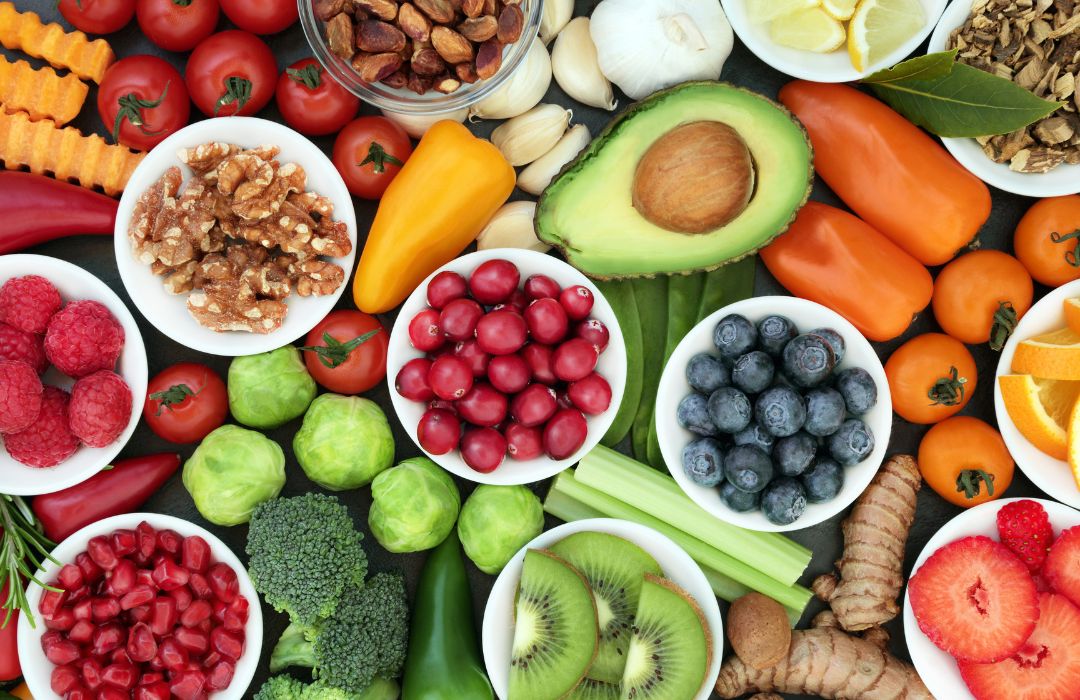
3. Colorful Fruits and Vegetables: Antioxidants for Liver Health
Fruits and vegetables are packed with vitamins, minerals, and antioxidants (like vitamin C, vitamin E, and beta-carotene) that protect liver cells from damage and reduce inflammation. Focus on a variety of colors to get a range of nutrients:
-
Leafy greens: Spinach, kale, Swiss chard, and collard greens—rich in iron, folate, and antioxidants. Add them to smoothies, salads, or sauté as a side.
-
Cruciferous veggies: Broccoli, cauliflower, Brussels sprouts, and cabbage—contain compounds that support liver detoxification.
-
Berries: Blueberries, strawberries, raspberries, and blackberries—high in anthocyanins, which fight inflammation and oxidative stress.
-
Citrus fruits: Oranges, grapefruits, and lemons—rich in vitamin C, but avoid grapefruit if you’re taking certain hepatitis medications (it can interfere with drug metabolism—check with your doctor).
-
Root veggies: Carrots, sweet potatoes, and beets—high in beta-carotene, which converts to vitamin A, supporting liver function.
Aim for 5–9 servings of fruits and vegetables daily (a serving is 1 cup raw veggies, ½ cup cooked veggies, or ½ cup fruit).
4. Healthy Fats: Moderation Is Key
Not all fats are bad—healthy fats support hormone production and nutrient absorption, but they should be eaten in moderation (fats are high in calories). Choose:
-
Avocado: A single serving (¼ of an avocado) provides healthy monounsaturated fats and fiber.
-
Nuts and seeds: Almonds, walnuts, chia seeds, and flaxseeds—small portions (1 oz of nuts or 1 tbsp of seeds daily) add healthy fats and antioxidants.
-
Olive oil: Extra-virgin olive oil is rich in oleic acid, an anti-inflammatory fat—use it for cooking or drizzling on salads.
Avoid trans fats (found in fried foods, processed snacks like chips or cookies) and limit saturated fats (red meat, full-fat dairy), as these can increase liver fat and inflammation.
Foods to Limit or Avoid
Certain foods can worsen hepatitis symptoms or damage the liver further—these should be minimized:
-
Alcohol: Even small amounts of alcohol can inflame the liver and speed up damage, especially for those with hepatitis B or C. The CDC recommends complete abstinence for all hepatitis patients.
-
Added sugars: Soda, candy, pastries, and sweetened cereals contribute to fatty liver buildup. Limit added sugars to less than 10% of daily calories (e.g., 200 calories for a 2,000-calorie diet).
-
Processed foods: Chips, frozen dinners, and fast food are high in sodium, trans fats, and additives—they increase inflammation and weight gain.
-
Raw or undercooked shellfish: Hepatitis A is often spread through contaminated shellfish (like oysters or clams). Cook shellfish thoroughly, and avoid it if you have hepatitis A or a weakened immune system.
Special Considerations for U.S. Adults
For U.S. adults, navigating a hepatitis-friendly diet means adapting to common food environments—like grocery stores with endless processed options or restaurants with high-fat menus. Here are practical tips:
-
Meal prep: Cook batches of lean proteins (like grilled chicken or lentils) and whole grains (brown rice, quinoa) to have easy, healthy meals on hand.
-
Read labels: Look for low-sugar, low-sodium, and “trans fat-free” products. Avoid ingredients like “partially hydrogenated oil” (a source of trans fats).
-
Stay hydrated: Drink 8–10 cups of water daily—dehydration strains the liver. Limit sugary drinks; opt for water, herbal tea, or infused water (with lemon or berries) instead.
-
Consult a professional: A registered dietitian (RD) who specializes in liver health can create a personalized meal plan, especially if you have advanced hepatitis or other conditions like diabetes.
Final Note: Diet as a Complement to Treatment
It’s important to remember that diet alone can’t cure hepatitis— it works alongside medical treatment. Always follow your doctor’s advice for medications or lifestyle changes, and use diet to support your liver’s health. With the right dietary choices, U.S. adults with hepatitis can reduce symptoms, improve energy levels, and protect their liver from further damage—helping them live fuller, healthier lives.