
Key Tips for Protecting Yourself Against Lung Cancer
Lung cancer remains the leading cause of cancer-related deaths in the United States, claiming over 130,000 lives annually, per the American Cancer Society (ACS). While some risk factors like family history are beyond control, the ACS emphasizes that up to 80-90% of lung cancer cases are preventable through lifestyle adjustments and proactive health choices. For U.S. adults, adopting targeted strategies to reduce exposure to harmful substances and prioritize lung health can significantly lower risk. Below are evidence-based tips to safeguard yourself against this devastating disease.
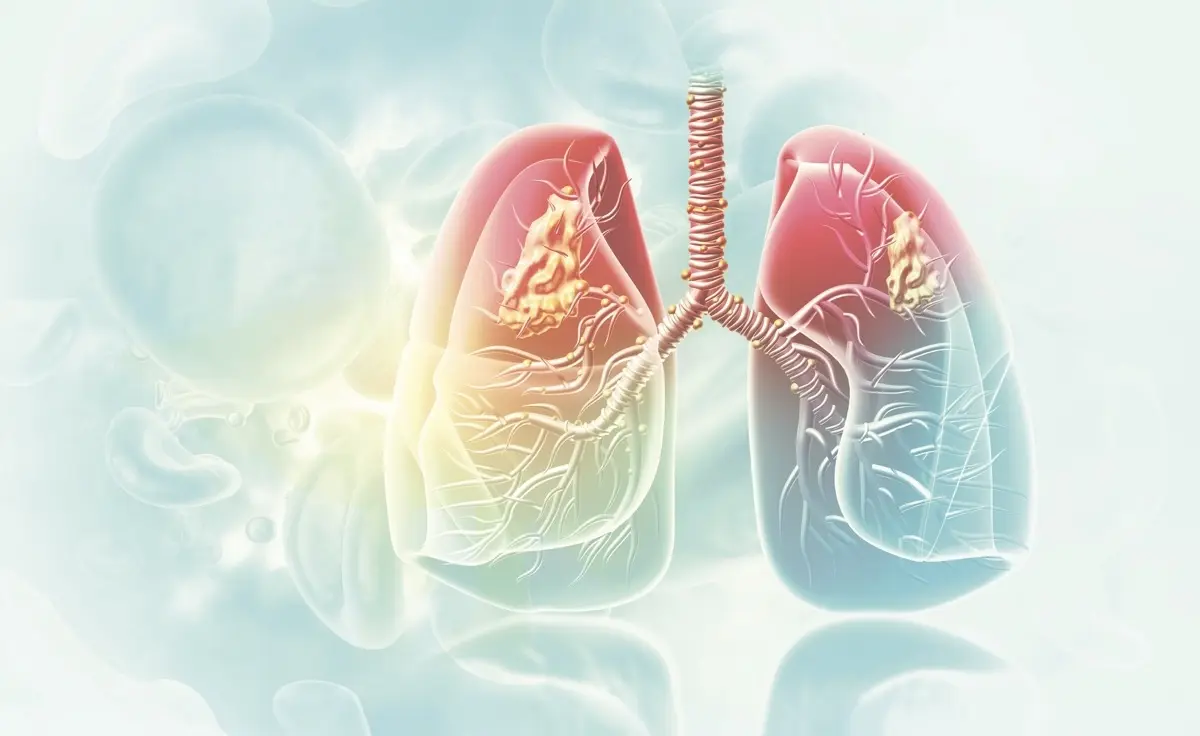
Quit Smoking and Avoid Tobacco in All Forms
Tobacco use is the single greatest risk factor for lung cancer—cigarette smoking alone accounts for 80% of lung cancer deaths in the U.S. If you currently smoke, quitting is the most impactful step you can take. The good news is that lung damage begins to reverse almost immediately: within 10 years of quitting, your lung cancer risk drops by half compared to current smokers.
For those struggling to quit, utilize U.S.-based resources: the CDC’s Quitline (1-800-QUIT-NOW) offers free counseling, while medications like nicotine replacement therapy (patches, gum) or prescription drugs (varenicline, bupropion) can double your chances of success. Avoid all tobacco products, including cigars, pipes, and smokeless tobacco—these also contain carcinogens that damage lung tissue over time.
Secondhand smoke is another major threat, causing over 7,300 lung cancer deaths annually among nonsmoking U.S. adults. Demand smoke-free environments at home, work, and social gatherings. Many states and cities have implemented smoke-free laws for public spaces, but advocating for stricter policies in your community adds an extra layer of protection.
Reduce Exposure to Environmental Toxins
Radon, a colorless, odorless radioactive gas, is the second leading cause of lung cancer in the U.S., responsible for 21,000 deaths each year. It seeps into homes through cracks in foundations, basements, or crawl spaces, and no region is immune—radon levels exceed safe limits in 1 out of every 15 U.S. homes, per the EPA.
Test your home with a DIY radon kit (available at hardware stores or online for $10-$20). If levels are above 4 picocuries per liter (pCi/L), hire a certified professional to install mitigation systems (e.g., sub-slab depressurization) to redirect gas outdoors. For renters, request a radon test from your landlord—many states require disclosure of radon risks in rental properties.
Avoid other airborne toxins: limit exposure to asbestos (common in older homes, insulation, or construction materials) by hiring licensed professionals for removal. In urban areas with high air pollution (check EPA’s Air Quality Index), reduce outdoor activities on smoggy days, use air purifiers with HEPA filters indoors, and avoid burning wood or trash. For those in high-risk jobs (construction, mining, manufacturing), follow workplace safety protocols—wear N95 masks or respirators to filter harmful particles.
Adopt a Lung-Healthy Diet and Lifestyle
A balanced diet rich in anti-inflammatory and antioxidant-rich foods can support lung function and reduce cancer risk. Focus on:
-
Fruits and vegetables: Aim for 5-9 servings daily, especially leafy greens (kale, spinach), berries (blueberries, raspberries), and cruciferous veggies (broccoli, Brussels sprouts). These are packed with vitamins C, E, and beta-carotene, which protect lung cells from oxidative damage.
-
Whole grains and lean proteins: Replace refined carbs (white bread, pastries) with oats, quinoa, or brown rice. Choose lean proteins like salmon (rich in omega-3s) or legumes to reduce inflammation.
-
Limit processed foods: Avoid fried foods, sugary snacks, and processed meats (bacon, sausage)—these promote inflammation and weight gain, which increases risk of non-alcoholic fatty liver disease (a condition linked to lung cancer).
Regular physical activity also plays a role: the ACS recommends 150 minutes of moderate exercise (brisk walking, cycling) weekly. Exercise improves lung capacity, strengthens respiratory muscles, and helps maintain a healthy weight—obesity is associated with increased lung cancer risk, particularly in never-smokers.
Prioritize Regular Screenings
Early detection saves lives: the 5-year survival rate for localized lung cancer is 60%, compared to just 6% for advanced stages. The U.S. Preventive Services Task Force (USPSTF) recommends annual low-dose CT (LDCT) screenings for adults aged 50-80 who have a 20-pack-year smoking history (1 pack/day for 20 years, or 2 packs/day for 10 years) and currently smoke or quit within the last 15 years.
Screenings are covered by most insurance plans, including Medicare and Medicaid. If you’re in a high-risk group, talk to your doctor about scheduling a screening—LDCT is non-invasive, takes just 10 minutes, and exposes you to less radiation than a standard CT scan. Even if you don’t meet screening criteria, report any unusual symptoms (persistent cough, shortness of breath, chest pain) to your doctor immediately.
Advocate for Your Lung Health
Stay informed about lung cancer research and policy changes—support initiatives to increase access to smoking cessation programs, fund radon mitigation for low-income households, and reduce air pollution. For those with a family history of lung cancer, consider genetic counseling to assess risk and discuss personalized prevention strategies.
Remember, protecting against lung cancer is a lifelong commitment, not a one-time effort. Small, consistent changes—quitting smoking, testing for radon, eating well, and staying active—add up to significant risk reduction. By taking control of your environment and health choices, you can greatly lower your chances of developing lung cancer and enjoy better respiratory health for years to come.