Practical Ways To Lower Cholesterol
High cholesterol is common—and confusing—because it’s less about one “bad” food and more about daily patterns. The good news: for many people, meaningful improvement comes from a handful of steady changes in diet, movement, and risk factors like smoking. Here’s a grounded overview of what helps, what to limit, and when medication becomes the smart, risk-reducing next step.
Start With The Big Picture
Cholesterol travels through your bloodstream in particles called lipoproteins. LDL (“bad” cholesterol) can contribute to plaque buildup in arteries, while HDL (“good” cholesterol) helps move cholesterol out of the blood. Triglycerides are another blood fat linked to heart risk, especially when elevated alongside high LDL.
A useful way to think about lowering cholesterol is as a three-part plan: improve what you eat, move more (and manage weight), and reduce exposures that strain blood vessels—like tobacco and excess alcohol. Genetics and medical conditions matter, too, which is why monitoring and medical guidance belong in the strategy, not as a last resort.
Build A Heart-Healthy Plate
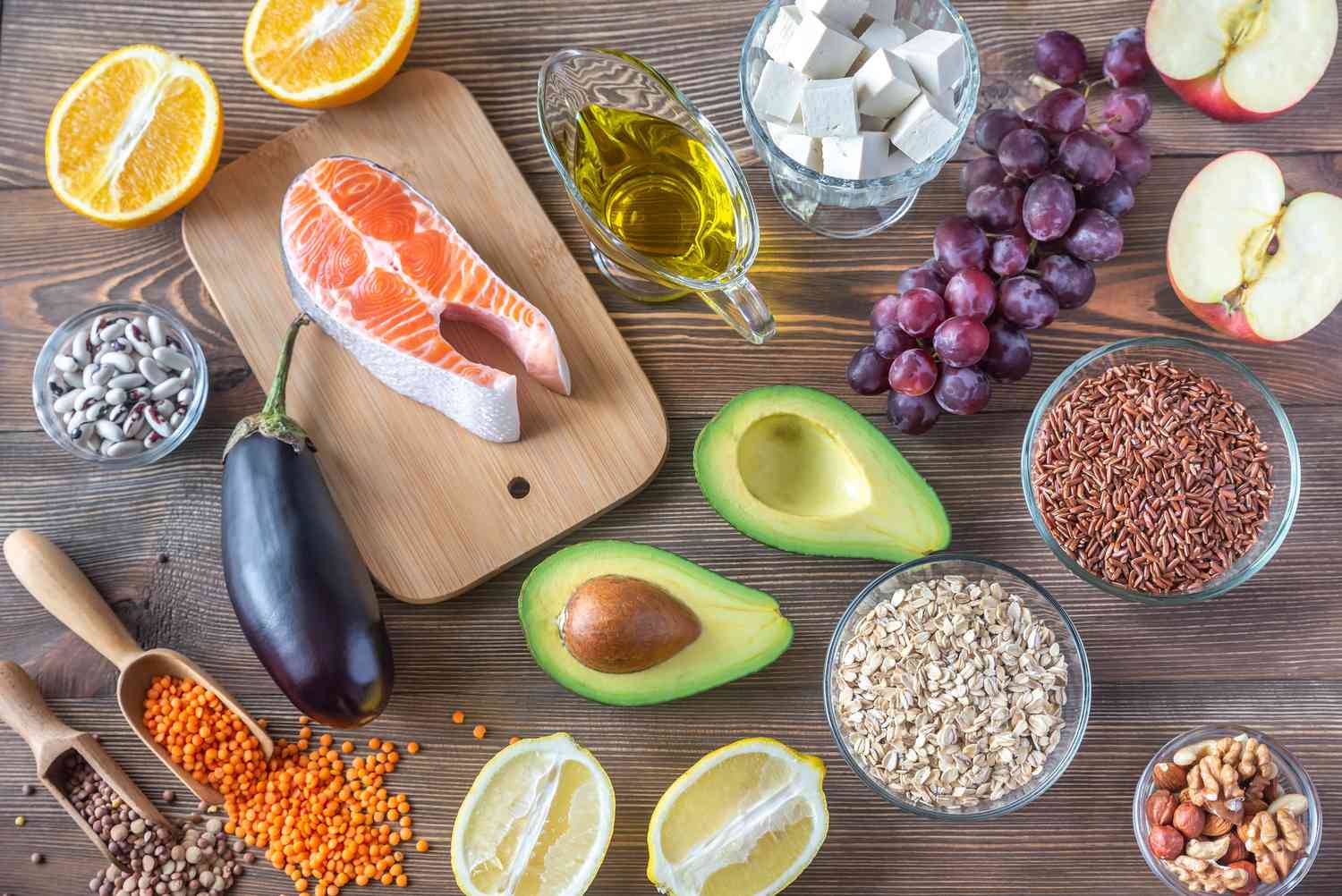
A heart-healthy diet isn’t a single branded plan; it’s a set of repeatable choices. Many cardiology guidelines emphasize patterns like the Mediterranean-style approach—rich in vegetables, fruits, beans, lentils, whole grains, fish, and olive oil—because it tends to replace saturated fat with unsaturated fat and adds fiber in the process [1][2].
If you’re experimenting with lower-carb eating, keep the focus on fat quality. Some people see LDL rise when saturated fat intake climbs (think butter, fatty meats, coconut oil). If you go that route, it’s worth discussing with a clinician and leaning on unsaturated fats (olive oil, nuts, avocado) instead of making every meal a “bacon-and-butter” situation.
For day-to-day choices, aim for foods that gently nudge LDL down over time: oats and barley, beans, apples and citrus, nuts, and fatty fish. Picture a simple lunch swap: a deli-meat sandwich on white bread becomes a bowl with lentils, chopped veggies, olive oil, and a handful of walnuts. It’s not “diet food”—it’s a different default.
Cut Saturated And Trans Fats
Reducing saturated and trans fats is one of the most direct levers for lowering LDL. Trans fats have been largely removed from the US food supply, but saturated fat remains the bigger daily driver [3][4].
Rather than memorizing numbers, focus on replacement. Trade fatty red meats for fish or beans; choose low-fat or nonfat dairy if dairy is a staple; cook with olive or canola oil instead of butter.
If you want a shorthand list of “worst offenders,” think: processed meats, fried fast foods, pastries and doughnuts, and “creamy” restaurant sauces that lean heavily on butter, cream, or cheese. You don’t need perfection. You need fewer of these foods showing up automatically.
Fiber, Omega-3s, Sterols: Targeted Helps
Fiber is underrated because it doesn’t feel dramatic—but it’s powerful. For cholesterol, soluble fiber is the star because it binds bile in the gut, prompting the liver to pull more LDL from the bloodstream to make more bile [5]. You’ll find it in oats, barley, beans, lentils, chia, flax, and psyllium.
Omega-3s are especially helpful for triglycerides. Fatty fish like salmon, sardines, and trout deliver EPA and DHA, while chia and flax provide ALA (a plant form that converts only partially) [6]. If triglycerides are high, ask your clinician whether an omega-3 supplement is appropriate, because dose and product quality matter.
Plant sterols and stanols can also help: they compete with cholesterol absorption in the intestine and can lower LDL when used consistently, often through fortified foods like certain spreads or yogurts [7]. They’re not magic, but they can be a useful add-on when diet changes have plateaued.
People often ask about “natural remedies” proven to work. The most credible tools are lifestyle patterns plus a few evidence-backed add-ons—soluble fiber (including psyllium), sterols/stanols, and swapping saturated fats for unsaturated fats. Be cautious with supplements that promise big drops; “natural” doesn’t always mean safe, and some can interact with medications.
Move More, Weigh Less, Smoke Never
The impact of exercise on LDL and HDL levels is nuanced: exercise tends to raise HDL and improve triglycerides more reliably, while LDL may drop modestly—yet cardiovascular risk improves even when LDL changes are small, because fitness supports blood pressure, insulin sensitivity, and vessel function [8]. Aim for a mix of aerobic activity (brisk walking, cycling, swimming) and strength training.
Weight management can amplify these benefits, particularly for triglycerides and metabolic markers. A realistic goal is consistency: a 20-minute walk after dinner most days, plus two short strength sessions a week, can be more durable than ambitious plans that vanish by week three.
Quitting smoking is one of the fastest ways to improve cardiovascular risk. Smoking damages blood vessels and lowers HDL; quitting begins lowering risk quickly, even if weight changes occur during the transition [9]. If you need help, ask about nicotine replacement, prescription options, or structured programs—support matters.
A practical question is how long it takes to see change. Lipids can begin to shift within weeks, but a clearer picture usually comes after a sustained stretch of consistent habits; ask your clinician when to recheck your lipid panel.
Medications, Monitoring, Doctor Visits
Some people can do everything “right” and still have high LDL because of genetics (including familial hypercholesterolemia) or other conditions. Cholesterol-lowering medications, when needed, aren’t a failure—they’re risk management. Statins are first-line for many patients because they lower LDL and reduce heart attack and stroke risk [10]. Other options exist, including ezetimibe and PCSK9 inhibitors, depending on your risk profile and response.
If you’re hoping to lower cholesterol without statins, bring that goal to your clinician rather than trying to white-knuckle it alone. Sometimes non-statin medications or a tightly monitored lifestyle trial make sense—especially if side effects were the barrier. For others, statins are still the safest, most protective choice.
Monitoring cholesterol levels keeps this from becoming guesswork. Ask for your full lipid panel and discuss overall cardiovascular risk, not just one number.
When to see a doctor for high cholesterol? Make an appointment if you’ve been told your LDL or triglycerides are high, if you have diabetes, high blood pressure, kidney disease, or a strong family history of early heart disease, or if lifestyle changes haven’t moved your numbers. The goal isn’t to chase perfection—it’s to build a plan you can live with, and that protects your future.