
Understanding Lung Cancer Symptoms and Early Detection
Recognizing the symptoms and understanding the importance of early detection in lung cancer can significantly impact outcomes. By staying informed about risk factors, screening recommendations, and diagnostic processes, individuals can position themselves for the best possible prognosis. A proactive stance on health, combined with supportive networks during challenging times, contributes to better management of both the disease and the emotional rollercoaster often experienced throughout the journey.
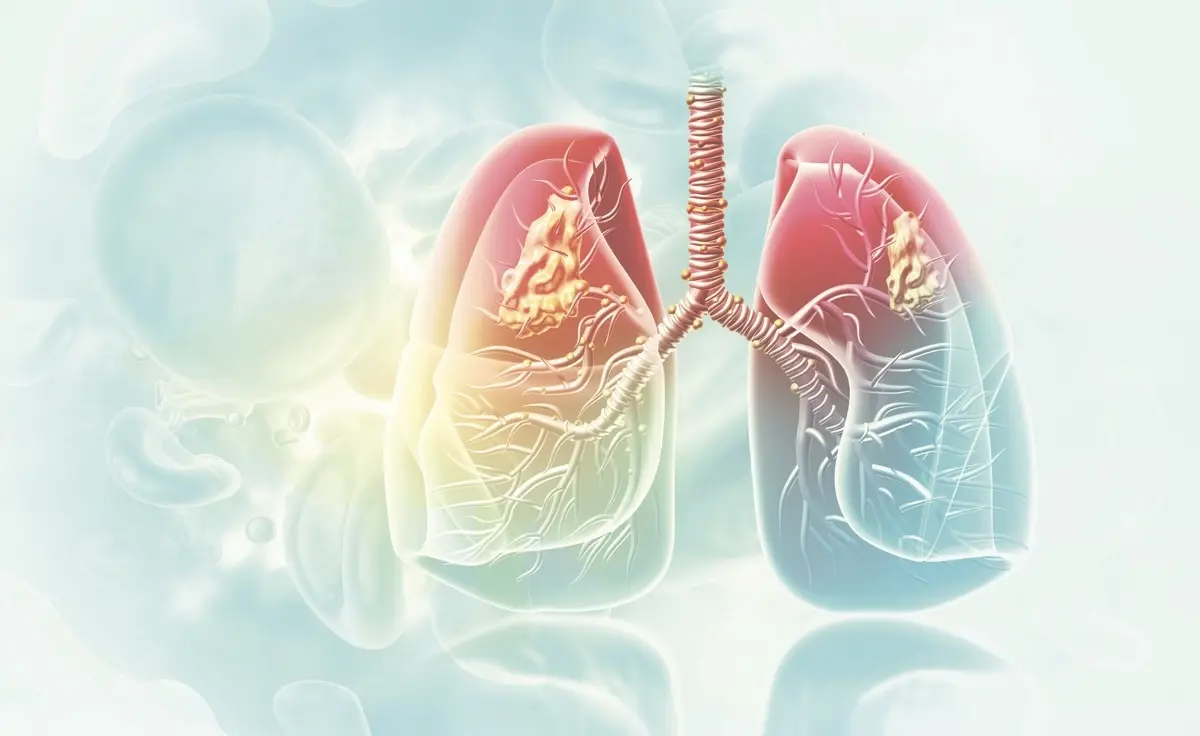
Lung cancer is a serious health concern that affects many individuals worldwide. Understanding the symptoms and the importance of early detection can significantly improve outcomes for those diagnosed. Awareness and knowledge can empower individuals to seek medical advice sooner, potentially saving lives.
Recognizing Common Symptoms
Lung cancer often presents itself through various symptoms that may be mistaken for less serious conditions. Persistent cough, often a significant warning sign, may be overlooked as a symptom of a common cold or allergies. Patients may also experience shortness of breath, which can stem from various causes such as asthma or bronchitis. Additionally, chest pain is another critical symptom that warrants attention. As the cancer progresses, individuals may notice a change in their voice or experience recurrent respiratory infections. Each of these symptoms can indicate the possibility of lung cancer, making it crucial for individuals to monitor their health and consult a medical professional if they persist.
The Role of Risk Factors
Understanding risk factors associated with lung cancer is essential for early detection. Factors such as smoking, exposure to secondhand smoke, and environmental pollutants significantly increase the risk of developing lung cancer. Data suggests that about 85% of lung cancer cases are directly linked to smoking. However, non-smokers are also at risk, especially if they have a family history of lung cancer or have been exposed to asbestos or radon. Being aware of these risks encourages individuals to adopt healthier lifestyles, such as quitting smoking and minimizing exposure to harmful substances, which can contribute to lower incidence rates.
Importance of Early Detection
Early detection of lung cancer can dramatically improve survival rates. Regular screenings, especially for high-risk individuals, can help identify the disease at an earlier stage when treatment is often more effective. Low-dose computed tomography (LDCT) scans have become a standard procedure for high-risk populations and are recommended annually for those aged 55-80 with a significant smoking history. The earlier lung cancer is diagnosed, the more treatment options are available, and the better the chances of effective management.
Diagnostic Procedures
Several diagnostic procedures are utilized to confirm a lung cancer diagnosis. A CT scan may be the first imaging technique employed when lung cancer is suspected, followed by a biopsy to determine the presence of cancerous cells. The biopsy can be performed through methods such as bronchoscopy or needle aspiration, depending on the tumor’s location. Blood tests may also be conducted to provide further insights into the overall health of the patient. Understanding the range of diagnostic tools can help alleviate anxiety about what to expect during the process.
The Importance of Genetic Testing
As medical science evolves, so do the approaches to lung cancer treatment and management. Genetic testing is making strides in identifying mutations that may affect how lung cancer develops and how individuals respond to specific treatments. For instance, identifying mutations such as EGFR or ALK can help tailor treatment plans based on the individual’s unique genetic profile. This personalized approach not only optimizes treatment effectiveness but also enhances the patient’s quality of life throughout the cancer journey.
Living with Lung Cancer
For those diagnosed with lung cancer, understanding how to navigate the journey ahead is crucial. Support networks, whether through family, friends, or support groups, play an essential role in emotional well-being. Patients can benefit from counseling or therapy to deal with the significant lifestyle changes often accompanying a diagnosis. It’s vital to stay informed about the disease and treatment options, fostering a proactive approach toward one’s health that empowers individuals to take control of their treatment journey.
For further information regarding lung cancer symptoms and early detection, refer to resources like the American Cancer Society (https://www.cancer.org/) and Lung Cancer Foundation (https://www.lungcancerfoundation.org/), which provide valuable insights and support for patients and their families.