Why can American houses retain their paint color and paint quality for up to 5 years without fading or peeling?
Wall painting is a cornerstone of home maintenance and refreshment, but the longevity of a paint job varies drastically across households. Some homeowners notice peeling, cracking, or fading within just a year, while professionally painted homes in the US often maintain vibrant, intact paint for 5–8 years. The secret to this stark difference lies in wall pre-treatment—a critical process that directly dictates paint adhesion, durability, and resistance to environmental wear. Professional painting teams in the US adhere to strict pre-treatment standards, and these 3 non-negotiable steps are the backbone of long-lasting results. Below is a comprehensive guide to wall pre-treatment, including common paint failures, expert-approved processes, regional considerations, and a self-assessment to evaluate your home’s paint job.
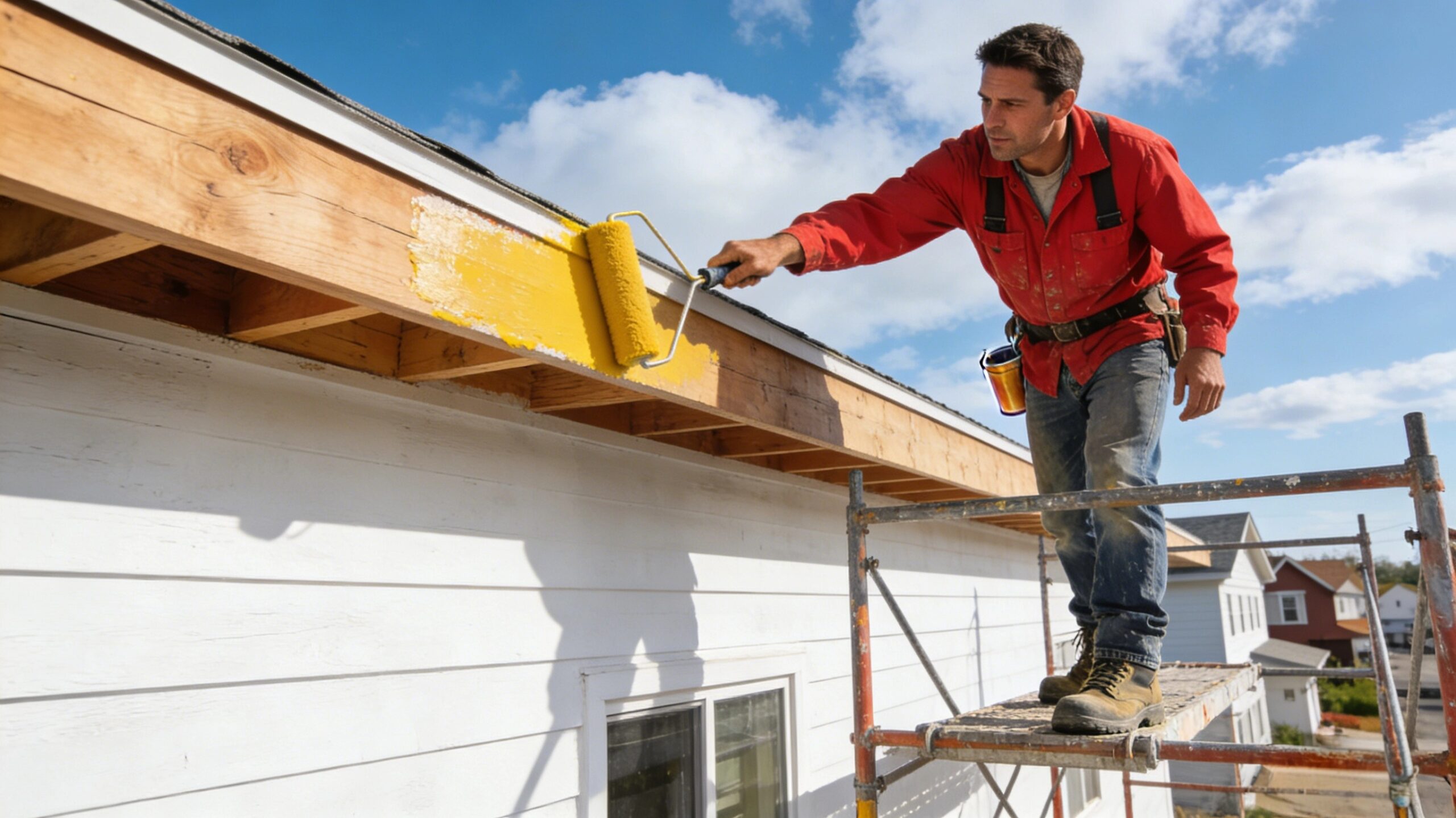
⚠️ Common Paint Failures & Hidden Risks of Poor Pre-TreatmentSubpar pre-treatment doesn’t just ruin curb appeal—it can lead to long-term wall damage and hidden hazards. Recognizing these issues highlights why pre-treatment is non-negotiable:
Typical Paint Failures (Within 1–2 Years of Application)
-
Peeling & flaking: Paint detaches from the wall in sheets, often starting at edges, corners, or high-contact areas (e.g., doorframes, baseboards).
-
Cracking & chalking: Fine cracks form on the surface, and the paint layer turns powdery to the touch—signs of poor adhesion and premature deterioration.
-
Bubbling & blistering: Moisture trapped under the paint film creates unsightly bulges, which burst and leave holes (common in humid spaces like bathrooms or basements).
-
Uneven fading: Color fades inconsistently, leaving patchy, dull areas that clash with the original finish—especially noticeable on exterior walls exposed to sunlight.
Hidden Dangers of Cutting Corners on Pre-Treatment
-
Wall substrate damage: Unremoved dirt, oil, or moisture erodes the wall over time, leading to loose plaster, mold growth, or even structural weaknesses.
-
Higher long-term costs: Frequent touch-ups or full repaints cost 2–3x more than investing in proper pre-treatment upfront.
-
Indoor air quality issues: Mold thriving under peeling paint releases spores that can trigger allergies or respiratory irritation, especially in children and seniors.
❌ High-Risk Mistakes That Shorten Paint LifespanNearly all premature paint failures stem from skipping or rushing pre-treatment. These costly errors undermine the paint’s ability to bond with the wall:
-
Skipping thorough cleaning: Dust, grease, mildew, or residual old paint creates a barrier between the new paint and wall—guaranteeing peeling over time.
-
Neglecting defect repair: Unfilled nail holes, cracks, or uneven surfaces cause the paint film to thin in spots, making it vulnerable to temperature changes and shrinkage.
-
Omitting primer: Primer is often viewed as “optional,” but it seals wall pores, blocks stains, and boosts topcoat adhesion. Skipping it wastes paint (walls absorb excess topcoat) and leads to uneven color.
-
Ignoring moisture issues: Painting over damp walls (common in basements or southern US homes) traps moisture, causing bubbling and mold.
-
Rushing the drying process: Moving to the next step (e.g., painting before putty or primer dries) compromises adhesion and creates weak points in the paint layer.
✅ Professional Pre-Treatment Process: 3 Non-Negotiable Steps for US HomesAmerican painting professionals treat pre-treatment as the foundation of a durable paint job—these 3 steps are strictly followed to ensure 5+ years of quality:
1. Deep Cleaning & Degreasing
The first step is eliminating all contaminants that prevent paint from adhering.
-
Exterior walls: Use a neutral pH detergent (to avoid damaging siding or stucco) paired with a high-pressure water gun (1,500–2,000 PSI) to blast away dirt, bird droppings, mildew, and loose old paint. Pay extra attention to shaded areas (prone to mildew) and lower sections (exposed to dirt and debris).
-
Interior walls: Wipe surfaces with a damp sponge dipped in mild dish soap (for grease) or vinegar solution (for mildew). For kitchen walls or high-traffic areas, use a soft-bristled brush to scrub stubborn stains. Rinse with clean water and let the wall dry completely (24–48 hours) before proceeding.
-
Why it matters: Clean walls allow the paint film to “grip” tightly, preventing peeling caused by trapped debris.
2. Defect Repair & Moisture Proofing
After cleaning, the wall must be smooth, stable, and moisture-free:
-
Fill imperfections: Use water-resistant spackle or putty to fill nail holes, cracks (up to 1/8 inch), and uneven gaps. For larger cracks, use a mesh tape to reinforce the repair before applying putty.
-
Sand & smooth: Once the putty dries (follow product instructions, typically 24 hours), sand the wall with 120–150 grit sandpaper until the surface is flush with the surrounding area. Wipe away sanding dust with a microfiber cloth or vacuum to avoid trapped particles.
-
Moisture proofing (critical for humid areas): In bathrooms, basements, or southern US homes (e.g., Florida, Texas), apply a water-based moisture barrier primer to block humidity from seeping into the wall. This step prevents mold growth and paint bubbling.
-
Why it matters: Smooth, dry walls ensure an even paint application and prevent the paint film from cracking due to uneven surfaces or moisture expansion.
3. Primer Application (The “Bonding Layer”)
Primer is the unsung hero of long-lasting paint—never skip it:
-
Choose the right primer:
-
For new drywall or alkaline surfaces (e.g., cement walls): Use an anti-alkali primer to neutralize pH levels (alkali reacts with paint, causing fading).
-
For dark-colored walls or stained surfaces (e.g., water stains): Use a stain-blocking primer to prevent discoloration.
-
For humid areas: Opt for a mold-resistant primer to inhibit fungal growth.
-
-
Apply evenly: Use a roller or brush to apply a thin, uniform coat of primer. Let it dry completely (12–24 hours, depending on humidity) before applying the topcoat.
-
Why it matters: Primer seals pores, reduces paint absorption (saving 20–30% on topcoat), and enhances adhesion—extending paint life by 3–5 years.
💡 Little-Known Fact for Humid Regions in the USHomes in the southern US (e.g., Georgia, Louisiana) or coastal areas face high humidity year-round. For these regions, pre-treated walls require 48+ hours of ventilation and drying before painting. Shortening this time traps moisture in the wall, which evaporates after the paint film forms—causing bubbling, blistering, and mold growth. Professional painters in these areas also check the dew point before construction to avoid painting on days with high humidity (above 70%), as this can compromise drying and adhesion.
📝 Self-Assessment: Is Your Home’s Paint Job Built to Last?Note: This assessment helps identify potential issues with your paint’s pre-treatment—use it to evaluate existing paint or plan future projects.
Review Your Paint Job’s Pre-Treatment Steps
Did the painter clean the wall thoroughly (e.g., pressure wash exterior, scrub interior stains) before painting?Did they fill nail holes, cracks, or uneven areas and sand the wall smooth?Did they apply a primer (not just skip to topcoat)?For humid areas, did they use a moisture barrier or mold-resistant primer?Did the wall dry completely between pre-treatment steps and painting?
Check for Signs of Poor Pre-Treatment
Does your paint peel, crack, or bubble within 1–2 years of application?Is the paint color uneven or patchy?Do you notice mold growth under peeling paint (especially in bathrooms/basements)?Does the paint feel powdery or chalky when touched?
Evaluate Your Paint’s Longevity Risk
-
High risk: Answered “no” to 2+ pre-treatment questions OR have 2+ signs of poor pre-treatment. Your paint is likely to fail soon—consider repainting with proper pre-treatment.
-
Moderate risk: Answered “no” to 1 pre-treatment question OR have 1 sign of poor pre-treatment. Monitor for worsening issues and address small repairs (e.g., touch-up peeling areas with primer first).
-
Low risk: Answered “yes” to all pre-treatment questions and have no signs of failure. Your paint job is built to last—maintain it with gentle cleaning and occasional touch-ups.
Key Reminder
If you’re hiring a painter, ask to see their pre-treatment process in writing. Reputable professionals will not hesitate to detail cleaning, repair, and priming steps—this is a red flag if they skip or downplay pre-treatment. For DIY projects, invest in quality primer and take the time to clean and repair walls thoroughly—shortcuts now lead to costly repairs later.
The longevity of your home’s paint doesn’t depend on expensive paint alone—it hinges on the quality of pre-treatment. American homes with 5–8 years of vibrant, intact paint all share one thing: strict adherence to the 3-step pre-treatment process (cleaning, repair, priming). By eliminating contaminants, smoothing surfaces, blocking moisture, and enhancing adhesion, pre-treatment creates a stable foundation for the paint film—avoiding common failures like peeling, cracking, and fading. Whether you’re refreshing your home’s interior or exterior, prioritize pre-treatment—this single step will save you time, money, and frustration in the long run. Did your painter follow these critical pre-treatment steps?